When we think about rail transportation, most of us picture long freight trains moving across the country, carrying goods from one city to another. What we often don’t see is the powerful digital infrastructure that keeps everything running smoothly behind the scenes. One important piece of that system is mainframe nscorp, a centralized computing environment used to manage large-scale transportation operations.
Mainframe nscorp acts as the technological backbone that supports critical railway activities such as scheduling trains, managing freight shipments, tracking equipment, and processing massive volumes of operational data. In a modern rail network where thousands of moving parts must work together perfectly, a reliable computing system is essential.
In this article, we explore what mainframe nscorp is, how it works, why it matters in transportation management, and how centralized computing continues to play a major role in large industrial systems.
Overview
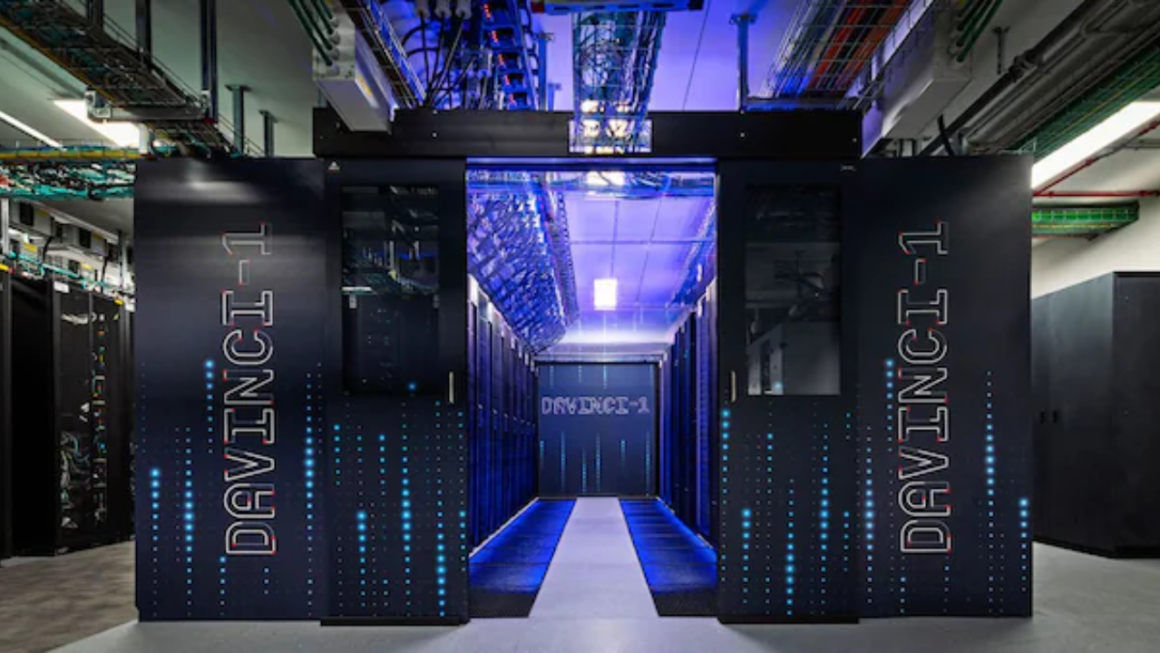
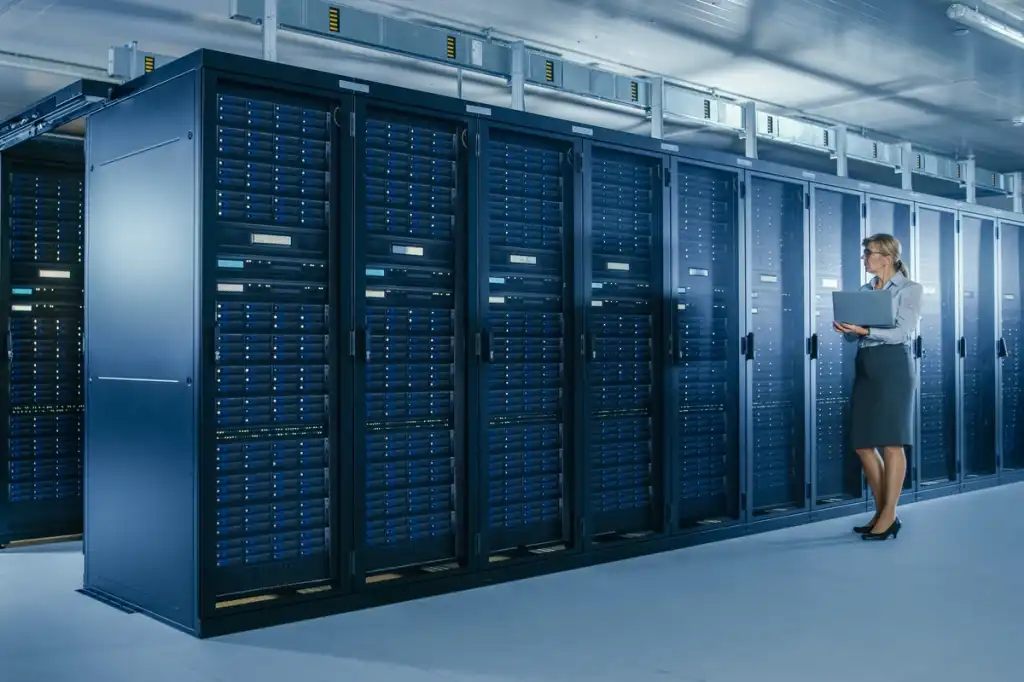
At its core, mainframe nscorp refers to a centralized mainframe computing system designed to support large operational processes within a rail transportation environment. Mainframes are powerful computers built specifically to handle high-volume workloads, manage massive datasets, and run mission-critical applications with exceptional reliability.
Rail companies deal with extremely complex logistics. Thousands of freight cars move daily across different routes, carrying materials such as coal, automobiles, agricultural products, and industrial goods. Coordinating this activity requires advanced systems that can process huge amounts of information in real time.
Mainframe nscorp provides the environment where many of these tasks are handled efficiently. Instead of relying on scattered systems, the centralized mainframe ensures that data flows through one stable platform where operations can be monitored, managed, and analyzed.
Origins
Mainframe computing has been part of large industries for decades. Long before cloud computing became popular, organizations relied on mainframes to run their most important workloads.
Rail transportation companies adopted these systems early because of the sheer scale of their operations. Managing a nationwide rail network involves coordinating locomotives, freight cars, maintenance schedules, routes, and cargo information.
Mainframe nscorp evolved as part of this tradition. Over time, it has adapted to new technologies while maintaining the stability that mainframes are known for. Even as modern software and distributed systems have grown, centralized mainframes remain essential for many large-scale industries.
Infrastructure
One of the most important characteristics of mainframe nscorp is its centralized infrastructure.
Unlike smaller computer systems that might run individual applications separately, a mainframe is designed to support thousands of users and processes simultaneously. It handles large workloads with efficiency, ensuring that multiple departments can access the same core system.
All of these components connect to the mainframe environment where data can be processed securely and reliably.
Operations
Rail operations involve constant movement and coordination. Every train must follow a specific route, maintain safety protocols, and arrive at scheduled locations on time.
Mainframe nscorp helps manage these operations by processing scheduling information and tracking movement across the rail network.
By managing this data centrally, the system allows operators and planners to maintain visibility across the entire network.
This level of coordination helps reduce delays, improve efficiency, and ensure that freight reaches its destination without unnecessary disruptions.
Data
One of the biggest strengths of mainframe systems is their ability to handle massive datasets. Rail companies generate enormous amounts of data every day.
Every shipment, track segment, locomotive, and freight car generates information that must be stored and analyzed.
Mainframe nscorp provides the infrastructure needed to process this data reliably. It can store historical records, monitor real-time activity, and support analytics that help improve operational decisions.
For example, transportation planners may analyze past shipping patterns to determine the most efficient routes or anticipate seasonal changes in freight demand.
Without a powerful data-processing environment, managing this level of information would be extremely difficult.
Reliability
Reliability is one of the main reasons organizations continue to rely on mainframes.
Rail transportation systems cannot afford frequent downtime. A disruption in operations could lead to delays, financial losses, or logistical complications across supply chains.
Mainframe nscorp is built with reliability in mind. These systems are designed to run continuously for long periods while maintaining stable performance.
These capabilities help ensure that critical operations remain functional even when unexpected issues occur.
Security
Another major advantage of centralized mainframe systems is security.
Transportation networks handle sensitive information, including operational schedules, cargo details, and internal company data. Protecting this information is essential for both business continuity and safety.
Mainframe nscorp provides multiple layers of security controls that help safeguard data and restrict unauthorized access.
Because mainframes operate within controlled environments, they can enforce strict security policies that reduce the risk of breaches or unauthorized activity.
Integration
Even though mainframes are often associated with older technology, modern systems are designed to integrate with newer platforms.
Mainframe nscorp can connect with web applications, mobile systems, and cloud-based tools that support modern business operations.
For example, logistics teams might use web dashboards that retrieve real-time information from the mainframe. Similarly, automated reporting systems can pull data directly from the centralized database.
This integration allows organizations to combine the reliability of mainframes with the flexibility of modern software environments.
Efficiency
Transportation logistics require efficient coordination of resources.
Mainframe nscorp helps improve efficiency by centralizing operational data and enabling faster decision-making. When information is stored in one unified system, teams across different departments can access the same accurate data.
This reduces confusion, prevents duplication, and improves communication across the organization.
Over time, these improvements contribute to smoother operations and lower operational costs.
Monitoring
Another important role of mainframe nscorp is system monitoring.
Large transportation networks require constant oversight to ensure that operations are running as expected. Monitoring tools connected to the mainframe allow administrators to track system performance and detect potential issues early.
When problems are detected, administrators can address them quickly before they impact operations.
Scalability
Rail transportation systems grow over time. As shipping demand increases, companies must handle more trains, more freight cars, and more operational data.
Mainframe systems are designed with scalability in mind. Mainframe nscorp can expand its processing capacity to accommodate growing workloads without sacrificing stability.
This ability to scale is one reason why mainframes remain valuable in industries that process massive amounts of data every day.
Instead of replacing the entire system, organizations can upgrade components or expand computing resources within the existing architecture.
Workforce
Technology systems are only effective when supported by skilled professionals.
Mainframe nscorp relies on engineers, administrators, and developers who understand how to maintain and optimize large computing environments.
Their work ensures that the system continues to support operational needs while adapting to evolving technological requirements.
Modernization
In recent years, many organizations have explored ways to modernize their mainframe environments.
Rather than abandoning mainframes entirely, companies often focus on integrating them with modern tools such as data analytics platforms and cloud services.
These improvements allow the system to maintain its reliability while supporting new technologies that enhance productivity and decision-making.
Challenges
While mainframe systems offer many advantages, they also present certain challenges.
One common issue is the complexity of maintaining large legacy systems. Because mainframes have been used for decades, some applications may rely on older programming languages or architectures.
This can make upgrades or modifications more difficult.
Another challenge is finding skilled professionals who specialize in mainframe technology. As newer technologies gain popularity, fewer engineers may focus on traditional mainframe systems.
However, many organizations address these challenges through modernization strategies and training programs that help maintain expertise.
Future
The future of centralized computing in transportation remains promising.
Despite the rise of distributed computing and cloud platforms, mainframes continue to play a crucial role in industries that require high reliability and massive processing capabilities.
Mainframe nscorp is likely to evolve alongside emerging technologies. Artificial intelligence, predictive analytics, and automation tools may integrate with the system to further enhance rail operations.
For example, future systems may analyze real-time data to predict maintenance needs, optimize train routes, and reduce operational delays.
By combining traditional mainframe stability with modern innovation, transportation companies can continue improving efficiency and reliability across their networks.
Conclusion
Mainframe nscorp represents a powerful example of how centralized computing supports large-scale transportation operations. Behind the movement of freight trains across vast rail networks lies a sophisticated digital infrastructure that processes enormous amounts of data every day.
Through centralized processing, reliable performance, strong security, and advanced integration capabilities, mainframe nscorp helps ensure that rail logistics operate smoothly and efficiently.
While technology continues to evolve, the core strengths of mainframe computing remain highly relevant for industries that demand stability and large-scale data management. As modernization efforts continue, systems like mainframe nscorp will likely remain a vital part of transportation infrastructure for years to come.
In the end, the trains we see traveling across the country are only part of the story. Behind every shipment and every schedule lies a powerful digital engine quietly keeping the entire network moving forward.
Keep an eye for more latest news & updates on Ehall Pass!